





MIRECC/CoE Education and Clinical Products
Add your selections to the fields above to search for MIRECC education resources.
National Center for PTSD Educational and Clinical Products
The NCPTSD website contains over 100 articles to help patients, providers, and loved ones understand what PTSD is, how it is diagnosed, and how it is treated. Patients can find the PTSD Treatment Decision Aid to help them compare treatment options; AboutFace, an online video gallery of Veterans sharing their experience of PTSD and treatment; animated videos to learn more; and mobile apps to support recovery. Providers can find the PTSD Consultation Program, offering free expert consultation to providers treating Veterans; free continuing education; the PTSD Repository, a database of PTSD RCTs; and a link to subscribe to the Clinicians Trauma Update.
MIRECC/COE: NCPTSD
Topics: Post-Traumatic Stress Disorder, Recovery
Audience(s): Active Duty Service Member, Caregiver, Family & Friends, Health Care Provider, Veteran, Veteran Supporter
Treatment(s): Cognitive Behavioral Therapy (CBT), Medication, Psychotherapy
Resource Type(s): Website
A Veteran's Guide to Discussing STORES: Secure Storage to Reduce Suicide Risk
Veterans can be important in preventing suicide and saving fellow Veterans’ lives. These materials are for Veterans who want to help prevent Veteran suicide by discussing a plan for secure storage. This guide describes secure storage and its benefits and equips Veterans with skills to have a conversation about secure storage with other Veterans to reduce their risk of suicide.
MIRECC/COE: VISN 16 South Central MIRECC
Topics: Firearms, Safety Planning, Suicide Prevention
Audience(s): Veteran, Veteran Supporter
Treatment(s): Rural Care
Resource Type(s): PDF
Taking the First Step: Psychotherapy for PTSD
Veterans may have questions when discussing PTSD treatment options with their clinicians. This educational brochure for Veterans provides information about PTSD-focused psychotherapy at VA to address common questions.
MIRECC/COE: VISN 16 South Central MIRECC
Topics: PTSD
Audience(s): Caregiver, Veteran
Treatment(s): Psychotherapy, Rural Care
Resource Type(s): Brochure
Sexual Health for Women Veterans
This brochure describes VA services that support women's sexual health and overall well-being.
MIRECC/COE: VISN 16 South Central MIRECC
Topics: Wellness
Audience(s): Veteran
Treatment(s): Patient-Centered Care, Rural Care
Resource Type(s): Brochure
VA Cancer Care Commander: Taking Charge of Your Cancer Care
This guide shows ways to navigate the cancer care journey from diagnosis through treatment and beyond.
MIRECC/COE: VISN 16 South Central MIRECC
Topics: Wellness
Audience(s): Veteran
Treatment(s): Patient-Centered Care, Rural Care
Resource Type(s): PDF
Minutes Matter: Options for Secure Firearm Storage Guide
This guide and accompanying tool help clinicians have conversations about secure firearm storage and develop a Secure Storage Plan Veterans can use to make changes to their firearm storage. The guide includes information about using firearm cable locks on various firearm types.
MIRECC/COE: VISN 16 South Central MIRECC
Topics: Firearms, Safety Planning, Suicide Prevention
Audience(s): Caregiver, Health Care Provider, Veteran, Veteran Supporter
Treatment(s): Patient-Centered Care, Rural Care
Resource Type(s): PDF
Evidence-Based Case Conceptualization and Treatment Planning for Complex Presentations: A Quick Guide
This guide helps clinicians understand and plan treatment for co-occurring mental health conditions. It covers use of measurement-based care, flexible case conceptualization, and Veteran-centered treatment planning.
MIRECC/COE: VISN 16 South Central MIRECC
Topics: Wellness
Audience(s): Health Care Provider
Treatment(s): Patient-Centered Care, Rural Care
Resource Type(s): PDF
Securely Storing Firearms and Medications to Reduce Suicide Risk
This comprehensive guide empowers caregivers to have meaningful conversations with Veterans about secure firearm storage and provides actionable steps for securely storing firearms and medications to reduce suicide risk.
MIRECC/COE: VISN 16 South Central MIRECC
Topics: Firearms, Safety Planning, Suicide Prevention
Audience(s): Health Care Provider, Veteran
Treatment(s): Patient-Centered Care, Rural Care
Resource Type(s): PDF
Updated Calmer Life Program
These materials adapted and reworked the original Calmer Life Program to become “practice-ready” and include illustrations, modified patient vignettes, and updates to language and style. The manual includes detailed instructions for guided self-help and homework assignments for each skill.
MIRECC/COE: VISN 16 South Central MIRECC
Topics: Aging, Anxiety
Audience(s): Health Care Provider, Veteran
Treatment(s): CBT, Rural Care
Resource Type(s): PDF
Picture This: A Guide to Using Photos to Support Veterans with Dementia
This guide is for caregivers who support Veterans with dementia, including family members, friends, and staff in care facilities. It offers simple steps to use photos to help Veterans feel more connected and engaged; familiar pictures can bring back feelings and memories.
MIRECC/COE: VISN 16 South Central MIRECC
Topics: Dementia
Audience(s): Caregiver, Veteran Supporter
Treatment(s): Patient-Centered Care, Rural Care
Resource Type(s): PDF
Reclaiming Your Life From Headache
This workbook is for Veterans living with tension-type headache, migraine or cluster headache. It provides information, tools and simple exercises to help Veterans live a full and meaningful life — even with pain.
MIRECC/COE: VISN 16 South Central MIRECC
Topics: Chronic Pain
Audience(s): Veteran
Treatment(s): Patient-Centered Care, Rural Care
Resource Type(s): PDF
Women's Mental Health - Considerations for Community Based Outpatient Clinics
The purpose of this live, knowledge-based training is to raise awareness of considerations for providing mental health care to women Veterans in Community Based Outpatient Clinics (CBOC). It will highlight key demographics of women Veterans and resources that can be utilized by CBOC clinicians.
MIRECC/COE: VISN 16 South Central MIRECC
Topics: Wellness
Audience(s): Health Care Provider
Treatment(s): Rural Care
Resource Type(s): TMS Training
Intimate Partner Violence Assistant Program: Understanding the Health Care Delivery Model for Intimate Partner Violence
The purpose of this live, knowledge-based training is to discuss the prevalence of intimate partner violence amongst the Veteran population as well as introduce available trauma-informed screening and intervention resources for experiencers and users of intimate partner violence.
MIRECC/COE: VISN 16 South Central MIRECC
Topics: Wellness, Screening
Audience(s): Health Care Provider
Treatment(s): Rural Care, Screening
Resource Type(s): TMS Training
Defining a New Reality in Health Care Delivery and Experience
The purpose of this virtual, knowledge-based presentation is to share how VA Immersive is defining a new reality in Veteran healthcare through Virtual Reality (VR) and Augmented Reality (AR), reinforcing why Veterans and staff choose VA. Participants will utilize knowledge gained from this presentation to better implement immersive technology programs across VA.
MIRECC/COE: VISN 16 South Central MIRECC
Topics: Wellness
Audience(s): Health Care Provider
Treatment(s): Rural Care
Resource Type(s): Video
The Ethics of Professional Boundaries in Rural Communities
This presentation will improve the knowledge and skill of rural mental health practitioners to identify boundary issues and take proactive and constructive steps to resolve them. Ethical management of boundary questions provides mental health care teams with greater comfort and confidence.
MIRECC/COE: VISN 16 South Central MIRECC
Topics: Wellness
Audience(s): Health Care Provider
Treatment(s): Rural Care
Resource Type(s): TMS Training
Sleep Apnea Assessment and Intervention: Recommendations to Optimize Veteran Adherence to PAP
This knowledge-based training provides an overview of sleep-disordered breathing, including challenges and troubleshooting opportunities for Veterans who may struggle to adhere with positive airway pressure (PAP) therapy. It also reviews opportunities for assessment and intervention
MIRECC/COE: VISN 16 South Central MIRECC
Topics: Sleep Disorders
Audience(s): Health Care Provider
Treatment(s): Rural Care
Resource Type(s): TMS Training
Addressing Low Sexual Desire in Rural Women Veterans
This knowledge-based training supports VA providers in addressing rural women Veterans’ sexual concerns, emphasizing low sexual desire. It provides an overview of contributors, diagnostic approaches, and research-informed clinical strategies.
MIRECC/COE: VISN 16 South Central MIRECC
Topics: Wellness
Audience(s): Health Care Provider
Treatment(s): Patient-Centered Care, Rural Care
Resource Type(s): TMS Training
Whole Health for Complex Patients: Chronic Pain
This recorded, knowledge-based virtual training for interprofessional healthcare teams addresses the intersection of mental health and chronic pain co-morbidities. The Whole Health model equips providers with tools to navigate Veterans’ needs in the context of complex chronic conditions.
MIRECC/COE: VISN 16 South Central MIRECC
Topics: Chronic Pain, Whole Health
Audience(s): Health Care Provider
Treatment(s): Rural Care
Resource Type(s): TMS Training
Guided Self-Help Program
The purpose of this recorded, knowledge-based virtual training is to provide knowledge around the differences between pure self-help and guided self-help interventions and introduce attendees to the framework for supporting patients who are using self-help tools. It will provide two skills for addressing difficulties patients may face when working with self-help materials.
MIRECC/COE: VISN 16 South Central MIRECC
Topics: Self-help
Audience(s): Health Care Provider
Treatment(s): Rural Care
Resource Type(s): TMS Training
Food Matters: Nutrition Care for Mental Health
The purpose of this recorded, knowledge-based virtual training is to address the connection between nutrition and mental health. It will provide an overview of how nutrition correlates with mental health, specifically focusing on depression and anxiety, discuss supportive dietary patterns, and review emerging evidence on the connection between the gut and mental health (gut-brain-axis) so that providers can integrate this knowledge into patient care.
MIRECC/COE: VISN 16 South Central MIRECC
Topics: Wellness
Audience(s): Health Care Provider
Treatment(s): Rural Care
Resource Type(s): TMS Training
Ethical Considerations in Assessing and Treating Moral Injury with Military Veterans
The purpose of this live, knowledge-based training is to address ethical considerations that VA mental health clinicians encounter when assessing and treating veterans seeking care for moral injury.
MIRECC/COE: VISN 16 South Central MIRECC
Topics: Wellness
Audience(s): Health Care Provider
Treatment(s): Rural Care
Resource Type(s): TMS Training
Eye Movement Desensitization and Reprocessing (EMDR) to Treat PTSD
The purpose of this live, knowledge-based virtual training is to provide an overview of Eye Movement Desensitization and Reprocessing (EMDR) including the evidence showing its effectiveness and the protocol and mechanisms of EMDR. Strategies and resources for introducing EMDR within shared decision-making are discussed with attention to VA community-based outpatient clinics and rural mental health providers.
MIRECC/COE: VISN 16 South Central MIRECC
Topics: Wellness
Audience(s): Health Care Provider
Treatment(s): Rural Care
Resource Type(s): TMS Training
Unmasking Sexual Acting Out Behaviors: A Brief Overview
This educational workshop highlights some of the complexities of Impulsive-Compulsive Sexual Behavior (ICSB). Through examining its medical, psychological, and social underpinnings, attendees will recognize key elements within this clinical population and learn practical strategies for assessment, treatment, and referral.
MIRECC/COE: VISN 16 South Central MIRECC
Topics: Wellness
Audience(s): Health Care Provider
Treatment(s): Rural Care
Resource Type(s): TMS Training
Coping with Losing Independence in Aging
The purpose of this knowledge-based training is to address the challenges faced by older adults in losing independence throughout the aging process. It presents a framework for clinicians to support older adults through the aging journey.
MIRECC/COE: VISN 16 South Central MIRECC
Topics: Aging
Audience(s): Health Care Provider
Treatment(s): Rural Care
Resource Type(s): TMS Training
Collaborating with Mental Health Pharmacists to Optimize Multiple Medications
This knowledge-based training addresses the challenges and opportunities of managing polypharmacy in Veterans. The training aims to enhance understanding among both prescribers and non-prescribers about the benefits and risks associated with polypharmacy and provides practical strategies for managing multiple medications effectively.
MIRECC/COE: VISN 16 South Central MIRECC
Topics: Wellness
Audience(s): Health Care Provider
Treatment(s): Medication, Rural Care
Resource Type(s): TMS Training
Assessment and Treatment of Obsessive-Compulsive Disorder in Veterans
This presentation provides information and resources regarding the assessment and treatment of obsessive-compulsive disorder (OCD) in Veterans. The use of telehealth to deliver treatment for OCD is also discussed.
MIRECC/COE: VISN 16 South Central MIRECC
Topics: OCD
Audience(s): Health Care Provider
Treatment(s): Psychotherapy, Rural Care
Resource Type(s): TMS Training
Updated Moral Injury Psychoeducation Group: Introduction to Acceptance and Forgiveness Concepts for Veterans with Moral Injury
This presentation addresses challenges providers face in offering services for Veteran moral injury (MI). It reviews introductory MI concepts and introduces a 4-week national program for education, prevention, and early intervention. It discusses the impact of MI, stages of change, and intersection with PTSD, SUD, and suicidal ideation.
MIRECC/COE: VISN 16 South Central MIRECC
Topics: Wellness
Audience(s): Health Care Provider
Treatment(s): Rural Care
Resource Type(s): TMS Training
Elder Mistreatment: Safeguarding Older Adults
This presentation addresses the challenges to identifying and addressing elder mistreatment which has been noted to be increasing in the US. Elder mistreatment negatively impacts the health and financial security of older adults. Clinicians play a key role in identifying and addressing elder mistreatment.
MIRECC/COE: VISN 16 South Central MIRECC
Topics: Aging
Audience(s): Health Care Provider
Treatment(s): Rural Care
Resource Type(s): TMS Training
VA Cancer Care Commander: How CBOC Mental Health Clinicians Can Support Veterans in Cancer Survivorship
This presentation supports CBOC mental health providers, particularly in rural areas, in serving Veterans during cancer survivorship. It presents a Veteran-facing resource guide, VA Cancer Care Commander, and discusses how clinicians and Veterans can use this guide to promote access to integrated cancer care services.
MIRECC/COE: VISN 16 South Central MIRECC
Topics: Chronic Illness
Audience(s): Health Care Provider
Treatment(s): Rural Care
Resource Type(s): TMS Training
Updates on Treatment in Alzheimer’s Disease
This knowledge-based training is designed to update clinicians on the newly available treatment options for Alzheimer's disease given recent advances. It presents an overview on the diagnosis of Alzheimer’s disease and discusses all currently available FDA-approved medications.
MIRECC/COE: VISN 16 South Central MIRECC
Topics: Aging, Dementia
Audience(s): Health Care Provider
Treatment(s): Medication, Rural Care
Resource Type(s): TMS Training
Minutes Matter: Skills, Tools, and Ethical Considerations for Discussing Secure Firearm Storage
This knowledge-based training enhances clinicians’ ability to engage in effective conversations about firearm access and storage with Veterans. It previews a practical, evidence-informed guide for collaborative conversations, introduces a new clinical tool for developing a Secure Storage Plan, and addresses ethical considerations in discussing firearm access.
MIRECC/COE: VISN 16 South Central MIRECC
Topics: Firearms, Safety Planning, Suicide Prevention
Audience(s): Health Care Provider
Treatment(s): Rural Care
Resource Type(s): TMS Training
Ethics and Financial Well-Being in Veterans for Rural and CBOC Clinicians
This knowledge-based training enhances the understanding of the relationship between financial well-being and mental health among Veterans. It provides insights into effective financial strategies and introduces tools, resources, and materials available on the FINVET website.
MIRECC/COE: VISN 16 South Central MIRECC
Topics: Wellness
Audience(s): Health Care Provider
Treatment(s): Rural Care
Resource Type(s): TMS Training
The Healthy Relationship Behavior Veteran Workbook: Ethical Implementation of a Novel Treatment Approach
This knowledge-based training addresses challenges Veterans may experience in establishing and maintaining healthy relationship behaviors. The presentation covers a treatment intervention that assists Veterans in developing healthy relationship behaviors.
MIRECC/COE: VISN 16 South Central MIRECC
Topics: Wellness
Audience(s): Health Care Provider
Treatment(s): Couples Therapy, Rural Care
Resource Type(s): TMS Training
Mental Health Decision Aid
This worksheet helps Veterans explore various VA websites and mobile apps to determine which one is the best fit. It describes how web courses and apps can support mental health, helps Veterans identify goals and highlights tools to address problem areas, and assists Veterans with setting SMART goals.
MIRECC/COE: VISN 16 South Central MIRECC
Topics: Self-help, Wellness
Audience(s): Veteran
Treatment(s): Rural Care
Resource Type(s): PDF
Attention-Deficit/ Hyperactivity Disorder with Substance Use Disorder
These materials help Veterans and clinicians understand attention-deficit/hyperactivity disorder (ADHD) with substance use disorder (SUD) and its treatment.
MIRECC/COE: VISN 16 South Central MIRECC
Topics: Substance Use
Audience(s): Health Care Provider, Veteran
Treatment(s): Patient-Centered Care, Rural Care
Resource Type(s): PDF
Sexual Health and Wellness
These materials help Veterans enhance their sexual health and wellness. It is for Veterans who want to learn ways to make sex more enjoyable or address sexual difficulties.
MIRECC/COE: VISN 16 South Central MIRECC
Topics: Wellness
Audience(s): Health Care Provider, Veteran
Treatment(s): Patient-Centered Care, Rural Care
Resource Type(s): PDF
[Under Review] Cannabis Use in Veterans with Mental Health Conditions: A Brochure for Patients
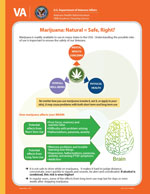
This product is designed to educate patients on cannabis use and how it affects cannabis users with mental health conditions. It is a brochure with detailed information on how cannabis affects user's mental health, physical health, and overall well being. The brochure also offers current information on how cannabis affects various bodily functions and limitations in current research on cannabis use.
MIRECC/COE: CESATE - Seattle
Topics: Substance Use, Opioid Use
Audience(s): Veteran
Treatment(s): Patient Centered Care
Resource Type(s): Brochure
Cannabis Use in Veterans with Mental Health Conditions: An Overview for Providers
This product is designed to educate and help familiarize VHA clinicians with a high level evidence-based overview on cannabis so that they may feel more comfortable with engaging in discussions with their patients and answering questions regarding cannabis. It includes topics such as dosing, formulations, routes of administration, pharmacology, cannabis and chronic pain, harms, cannabis use disorder, and harm reduction strategies.
MIRECC/COE: CESATE - Seattle
Topics: Substance Use, Chronic Pain, Pain Management
Audience(s): Health Care Provider
Treatment(s): Patient Centered Care, Screening
Resource Type(s): PDF
Evidence-Based Psychotherapy Shared Decision-Making Toolkit for Mental Health Providers
This toolkit contains information and resources to promote Veterans’ engagement in evidence-based psychotherapies (EBPs) through the use of shared decision-making. Increasingly part of high quality, patient-centered care in other health care contexts, shared decision-making principles and processes provide significant opportunities for promoting initial and ongoing engagement in EBPs. The primary focus of this toolkit is on identifying key components and steps for implementing The Shared Decision-Making (SDM) Session, a pre-treatment intervention for increasing initial engagement in EBPs. Also find sections on promoting ongoing engagement, and practical tools such as brochures, fact sheets and other clinical resources.
MIRECC/COE: VISN 19 Rocky Mountain MIRECC
Topics:
Audience(s): Healthcare Providers
Treatment(s): Patient-Centered Care, Psychotherapy
Resource Type(s): Toolkit
Gulf War Illness: Explaining Unexplained Symptoms
This brochure is designed to aid Veterans who served in the Persian Gulf War between 1990-1991 and their families recognize the symptoms associated with Gulf War Illness. The brochure presents information about causes, symptoms, and treatment of Gulf War Illness, as well as resources to get help within the VA.
MIRECC/COE: VISN 17 CoE Returning War Veterans
Topics: Chronic Illness, Chronic Pain
Audience(s): Veteran, Veteran Supporter, Healthcare Provider
Treatment(s): Screening
Resource Type(s): Brochure
How to Talk to a Child about a Suicide Attempt in Your Family Booklet and DVD
This booklet/DVD supports parents and caregivers challenged with comforting and/or explaining a loved one’s suicide attempt. It addresses four main challenges: demonstrating how speaking with a child about a suicide attempt is necessary and beneficial; providing strategies for supporting three developmental groups (Preschool, School Age, and Teen); offering tools to increase skill and comfort level; and, supplying additional resources. The 24-page booklet provides the basis, addressing critical issues such as mental illness, substance use, and hopelessness, as well as building resiliency and restoring hope. The professionally produced DVD demonstrates these principles in action, and shows how real-life conversations might unfold.
MIRECC/COE: VISN 19 Rocky Mountain MIRECC
Topics: Parenting, Self-Help, Suicide Prevention, Wellness
Audience(s): Caregiver, Family and Friends, Healthcare Provider
Treatment(s): Family Therapy
Resource Type(s): Video, PDF
How to Talk to a Child about a Suicide Attempt in Your Family Website
This Website supports parents and caregivers challenged with comforting and/or explaining a loved one’s suicide attempt. It addresses four main challenges: demonstrating how speaking with a child about a suicide attempt is necessary and beneficial; providing strategies for supporting three developmental groups (Preschool, School Age, and Teen); offering tools to increase skill and comfort level; and, supplying additional resources. The site addresses critical issues such as mental illness, substance use, and hopelessness, as well as building resiliency and restoring hope. Professionally produced videos demonstrate these principles in action, and shows how real-life conversations might unfold.
MIRECC/COE: VISN 19 Rocky Mountain MIRECC
Topics: Parenting, Self-Help, Suicide Prevention, Wellness
Audience(s): Caregiver, Family and Friends, Healthcare Provider
Treatment(s): Family Therapy
Resource Type(s): Website
Gulf War Illness: Explaining Unexplained Symptoms
This brochure is designed to aid Veterans who served in the Persian Gulf War between 1990-1991 and their families recognize the symptoms associated with Gulf War Illness. The brochure presents information about causes, symptoms, and treatment of Gulf War Illness, as well as resources to get help within the VA.
MIRECC/COE: VISN 17 CoE Returning War Veterans
Topics: Chronic Illness, Chronic Pain
Audience(s): Veteran, Veteran Supporter, Healthcare Provider
Treatment(s): Screening
Resource Type(s): Brochure
Sexual Health after Military Sexual Trauma - A Guide for Male Veterans

This brochure is designed to aid male Veterans who experienced Military Sexual Trauma understand its impact on sexual health. The brochure presents information about common sexual health dysfunctions in men and how to get help within the VA.
MIRECC/COE: VISN 17 CoE Returning War Veterans
Topics: Military Sexual Trauma, Stigma, Wellness, Whole Health
Audience(s): Veteran, Veteran Supporter
Treatment(s):
Resource Type(s): Brochure
Sexual Health after Military Sexual Trauma - A Guide for Women Veterans

This brochure is designed to aid women Veterans who experienced Military Sexual Trauma understand its impact on sexual health. The brochure presents information about common sexual health dysfunctions in women and how to get help within the VA.
MIRECC/COE: VISN 17 CoE Returning War Veterans
Topics: Military Sexual Trauma, Stigma, Wellness, Whole Health, Women
Audience(s): Veteran, Veteran Supporter
Treatment(s):
Resource Type(s): Brochure
Sexual Health after Military Sexual Trauma - Clinician Guide

This brochure is designed to aid healthcare providers in treating female Veterans who have sexual dysfunction. The brochure addresses information about common sexual health dysfunctions in women, its connection to Military Sexual Trauma, how to approach the topic with female Veterans, and provides resources for treatment and specialty care of sexual dysfunction.
MIRECC/COE: VISN 17 CoE Returning War Veterans
Topics: Military Sexual Trauma, Stigma, Wellness, Whole Health
Audience(s): Health Care Provider
Treatment(s): Screening
Resource Type(s): Brochure
Sexual Health after Military Sexual Trauma - Patient Guide

This brochure is designed to aid female Veterans who experienced Military Sexual Trauma understand its impact on sexual health. The brochure presents information about common sexual health dysfunctions in women and how to get help within the VA.
MIRECC/COE: VISN 17 CoE Returning War Veterans
Topics: Military Sexual Trauma, Stigma, Wellness, Whole Health
Audience(s): Veteran, Veteran Supporter
Treatment(s):
Resource Type(s): Brochure
Treating Sexual Dysfunction in Male Veterans - Clinician Guide

This brochure is designed to aid healthcare providers in treating male Veterans who have sexual dysfunction. The brochure addresses information about common sexual health dysfunctions in men, its connection to Military Sexual Trauma, how to approach the topic with male Veterans, and provides resources for treatment of sexual dysfunction.
MIRECC/COE: VISN 17 CoE Returning War Veterans
Topics: Military Sexual Trauma, Stigma, Wellness, Whole Health
Audience(s): Health Care Provider
Treatment(s): Screening
Resource Type(s): Brochure
Treating Sexual Dysfunction in Women Veterans - Clinician Guide

This brochure is designed to aid healthcare providers in treating women Veterans who have sexual dysfunction. The brochure addresses information about common sexual health dysfunctions in women, its connection to Military Sexual Trauma, how to approach the topic with women Veterans, and provides resources for treatment of sexual dysfunction.
MIRECC/COE: VISN 17 CoE Returning War Veterans
Topics: Military Sexual Trauma, Stigma, Wellness, Whole Health, Women
Audience(s): Health Care Provider
Treatment(s): Screening
Resource Type(s): Brochure
HSR&D Spotlight on Suicide Prevention Cyberseminar Series
The purpose of this CE-accredited webinar training series is to provide VA health services and clinical investigators, clinicians, educators, policy makers, and community stakeholders with a forum for communicating practice and policy implications of suicide prevention research and programs for Veterans. Broadly, the SoSP (Spotlight on Suicide Prevention) series is designed to support the National Strategy for Preventing Veteran Suicide by using science to increase our understanding of suicide prevention.
MIRECC/COE: VISN 19 Rocky Mountain MIRECC
Topics: Suicide prevention, Firearms, Lethal means, Military Sexual Trauma, Opioid use, PTSD, Recovery, Rehabilitation, Safety Planning, Sleep Disorders, Stress, Substance use, traumatic brain injury
Audience(s): Community Supporter, Health Care Provider, Family & Friends, Veteran
Treatment(s): ACT, Assessment, Care Transitions, CBT, Patient-centered care, Psychotherapy, Rural care, Screening
Resource Type(s): Webinar
Substance Use and Traumatic Brain Injury Risk Reduction and Prevention DVD
This seven-minute program provides information regarding the impact of using drugs and alcohol after a traumatic brain injury (TBI). The DVD guides the viewer through a discussion about how the brain works before and after a brain injury, and then demonstrates how drugs and alcohol can affect persons with a history of TBI using brain animations and short vignettes. This tool was designed to facilitate providers in engaging clients in a dialogue about substance use post-injury. It may also be viewed by clients alone, in addition to professional treatment.
To request a copy, please visit: https://www.mirecc.va.gov/visn19/orderform/orderform.asp
MIRECC/COE: VISN 19 Rocky Mountain MIRECC
Topics: Alcohol Use Disorder, Recovery, Rehabilitation, Suicide Prevention, Traumatic Brain Injury
Audience(s): Active Duty Service Members, Family and Friends, Health Care Provider, Older Veteran, Veteran
Treatment(s): Psychotherapy
Resource Type(s): Video
Treatment Works for Veterans
TreatmentWorksforVets.org is a fun, interactive learning Website that introduces Veterans to EBPs (Evidence-Based Psychotherapies), proven mental health treatments. Veterans choose their own path to explore topics such as insomnia, depression and suicidal thoughts, alcohol and drugs, managing chronic pain and relationship distress. For Veterans who are interested in a particular EBP, the “Find Treatment” options offer support for locating qualified, trained providers either within VHA or in local communities.
MIRECC/COE: VISN 19 Rocky Mountain MIRECC
Topics: Alcohol Use Disorder, Chronic Pain, Depression, Insomnia, Pain Management, PTSD, Recovery, Self-Help, Sleep Disorders, Stress, Substance Use, Suicide Prevention, Wellness
Audience(s): Active Duty Service Member, Older Veteran, Veteran
Treatment(s): ACT, CBT, Psychotherapy
Resource Type(s): Website
Lethal Means Safety & Suicide Prevention
When it comes to suicide prevention, lethal means safety increases the distance between suicidal thoughts, and action. This online hub provides lethal means facts, information on effective lethal means safety counseling, resources and concrete guidance on helping to keep Veterans safe during high-risk periods. A podcast with Dr. Joe Simonetti guides listeners through the fundamentals of lethal means safety, why it’s important, and provides suggestions on how to ensure that conversations about lethal means safety are Veteran-centered.
MIRECC/COE: VISN 19 Rocky Mountain MIRECC
Topics: Firearms, Lethal Means, Suicide Prevention
Audience(s): Family & Friends, Healthcare Providers, Veterans, Veteran Supporters
Treatment(s): Assessment, Patient-Centered Care, Primary Care, Psychotherapy, Screening
Resource Type(s): Podcast
Rocky Mountain MIRECC Visual Abstracts
As part of RMIRECC’s goal to make our research accessible to all, we translate our peer-reviewed journal publications into visual abstracts. These visuals highlight key take-aways from our research, presenting information in a condensed, visually compelling way that lets the user decide whether they want to pursue the rest of the story. Visual abstracts are shared on our Twitter account (@RMIRECC) and available as a collection on our Website. We also include a tutorial on the “what and how” of creating your own visual abstracts, including planning, design principles, and nuts and bolts of visual abstract creation.
MIRECC/COE: VISN 19 Rocky Mountain MIRECC
Topics: Aging, Chronic Pain, Depression, Firearms, Genetics/Genomics, Insomnia, Lethal Means, Military Sexual Trauma, Neuroscience, Opiod Use, Pain Management, Peer Support, PTSD, Recovery, Rehabilitation, Safety Planning, Severe Mental Illness, Sleep Disorders, Stigma, Suicide Prevention, Traumatic Brain Injury, Wellness, Whole Health
Audience(s): Active Duty Service Member, Community Supporter, Family & Friends, Healthcare Provider, Older Veteran, Veteran, Veteran Supporter
Treatment(s): ACT, Assessment, Care Transitions, CBT, Integrated Care, Mindfulness, Patient-Centered Care, Primary Care, Psychotherapy, Rural Care, Screening
Resource Type(s): PDF
Therapeutic Risk Management of the Suicidal Patient Website
The Rocky Mountain MIRECC model of Therapeutic Risk Management of the Suicidal Patient is a clinically and medicolegally informed model for the assessment and management of suicide risk. It involves three main components: Augmentation of clinical risk assessment with structured instruments; Risk stratification with respect to both severity and temporality; and Collaborative development of a safety plan. These comprehensive Web pages provide information about the therapeutic risk management approach, the clinical tool, presentations, and resources for implementing TRM into practice.
MIRECC/COE: VISN 19 Rocky Mountain MIRECC
Topics: Suicide Prevention
Audience(s): Healthcare Providers
Treatment(s): Assessment, Care Transitions, Integrated Care, Primary Care, Psychotherapy, Screening
Resource Type(s): Website
Uniting for Suicide Postvention Online Hub
Suicide prevention is a commonly used and understood term. However not everyone recognizes suicide postvention. Suicide postvention builds upon prevention efforts by providing immediate and ongoing support to those impacted by a suicide loss.
Postvention is critical for healing after suicide. Uniting for Suicide Postvention (USPV) provides resources and support for everyone touched by suicide loss. To learn more, visit the online, interactive hub, with sections for the community, workplace and providers.
MIRECC/COE: VISN 19 Rocky Mountain MIRECC
Topics: Self-Help, Suicide Prevention, Wellness, Whole Health
Audience(s): Active Duty Service Member, Community Supporter, Family & Friends, Healthcare Provider, Older Veteran, Veteran, Veteran Supporter
Treatment(s): N/A
Resource Type(s): Website
How to Talk to a Child about a Suicide Attempt in Your Family booklet and DVD
This booklet/DVD supports parents and caregivers challenged with comforting and/or explaining a loved one’s suicide attempt. It addresses four main challenges: demonstrating how speaking with a child about a suicide attempt is necessary and beneficial; providing strategies for supporting three developmental groups (Preschool, School Age, and Teen); offering tools to increase skill and comfort level; and, supplying additional resources. The 24-page booklet provides the basis, addressing critical issues such as mental illness, substance use, and hopelessness, as well as building resiliency and restoring hope. The professionally produced DVD demonstrates these principles in action, and shows how real-life conversations might unfold.
To request a copy, please visit: https://www.mirecc.va.gov/visn19/orderform/orderform.asp
MIRECC/COE: VISN 19 Rocky Mountain MIRECC
Topics: Parenting, Self-Help, Suicide Prevention, Wellness
Audience(s): Caregiver, Family and Friends, Healthcare Provider
Treatment(s): Family Therapy
Resource Type(s): Video , PDF
Introduction to Pharmacogenetics, brief whiteboard video for patients and providers
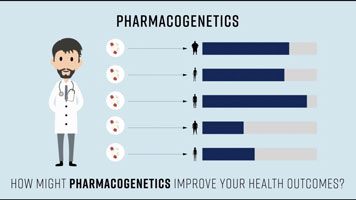
This whiteboard video briefly explains pharmacogenetics, what it is, and how it is being used in health care today. The role of pharmacogenetics in the VA Precision Medicine in Mental Health (PRIME) Care study is described. Running time, 2 minutes and 59 seconds.
This video can be accessed on the VA YouTube Website at: https://youtu.be/X5atvMqPAUY
MIRECC/COE: VISN 4 Philadelphia and Pittsburgh MIRECC
Topics: Genetics/Genomics, Depression
Audience(s): Veterans, Health Care Providers
Treatment(s): Antidepressants, Medication, Patient-Centered Care
Resource Type(s): Video
Online TBI Toolkit
Traumatic Brain Injury (TBI) is a significant public health concern. This toolkit provides necessary information to address the needs of individuals with a history of TBI and co-occurring mental health conditions. The toolkit specifically emphasizes TBI in justice-involved and Military/Veteran populations. Community mental health clinicians’, justice-involved professionals’, and Military/Veteran experts’ input was integral in identifying areas of focus. This toolkit is designed to assist professionals in identifying TBI and associated co-occurring problems and to facilitate determining potential need for further evaluation and/or treatment/case planning modification. In addition, relevant information and resources for families/support systems are available.
MIRECC/COE: VISN 19 Rocky Mountain MIRECC
Topics: Alcohol Use Disorder, Criminal Justice, Depression, PTSD, Recovery, Rehabilitation, Substance Use, Suicide Prevention, Traumatic Brain Injury
Audience(s): Family & Friends, Healthcare Providers, Veterans, Veteran Supporters
Treatment(s): Patient-Centered Care, Primary Care, Psychotherapy
Resource Type(s): Toolkit
Self-Directed Violence Classification System and Clinical Toolkit
The field of Suicidology has long struggled with the lack of a universally agreed upon definition for suicide and associated terms. Synonymous with the word suicide is the term self-directed violence. A shared understanding of self-directed violence (SDV) in its various forms is critical. The VA has adopted a system that is consistent with the CDC SELF-DIRECTED VIOLENCE SURVEILLANCE UNIFORM: Definitions and Recommended Data Elements. The SDVCS website contains clinical tools, training, and an interactive set of vignettes to test understanding and knowledge applying SDVCS nomenclature in real world clinical situations.
MIRECC/COE: VISN 19 Rocky Mountain MIRECC
Topics: Suicide Prevention
Audience(s): Healthcare Providers
Treatment(s): Assessment, Care Transitions, Integrated Care, Primary Care, Psychotherapy, Screening
Resource Type(s): Toolkit
Self-Directed Violence Classification System nomenclature laminates
The field of Suicidology has long struggled with the lack of a universally agreed upon definition for suicide and associated terms. Synonymous with the word suicide is the term self-directed violence. A shared understanding of self-directed violence (SDV) in its various forms is critical. The VA has adopted a system that is consistent with the CDC SELF-DIRECTED VIOLENCE SURVEILLANCE UNIFORM: Definitions and Recommended Data Elements. Two laminates come neatly packaged in a pocket folder, containing the SDCVS definitions, along with the clinical tool, decision-making tree.
To request a copy, please visit: https://www.mirecc.va.gov/visn19/orderform/orderform.asp
MIRECC/COE: VISN 19 Rocky Mountain MIRECC
Topics: Suicide Prevention
Audience(s): Healthcare Providers
Treatment(s): Assessment, Care Transitions, Integrated Care, Primary Care, Psychotherapy, Screening
Resource Type(s): PDF
Short Takes on Suicide Prevention Podcast series
Rocky Mountain MIRECC for Suicide Prevention hosts a serial podcast called Short Takes on Suicide Prevention. We interview leaders in the field of suicide prevention in an attempt to make their research accessible to everyone. Topic areas include lethal means safety, research and clinical applications, Veteran and community partners and others. Listeners may subscribe via iTunes for iPhone, or on an Android device.
MIRECC/COE: VISN 19 Rocky Mountain MIRECC
Topics: Alcohol Use Disorder, Chronic Pain, Criminal Justice, Depression, Firearms, Insomnia, Lethal Means, Military Sexual Trauma, Neuroscience, Rehabilitation, Safety Planning, Self-Help, Severe Mental Illness, Skill Management, Sleep Disorders, Stigma, Substance Use, Suicide Prevention, Trauma Related Disorders, Traumatic Brain Injury, Wellness, Whole Health
Audience(s): Active Duty Service Member, Community Supporter, Family & Friends, Healthcare Provider, Older Veteran, Veteran, Veteran Supporter
Treatment(s): ACT, Assessment, Care Transitions, CBT, Integrated Care, Mindfulness, Patient-Centered Care, Primary Care, Psychotherapy, Rural Care, Screening
Resource Type(s): Podcast
Substance Use and Traumatic Brain Injury Risk Reduction and Prevention DVD
This seven-minute program provides information regarding the impact of using drugs and alcohol after a traumatic brain injury (TBI). The DVD guides the viewer through a discussion about how the brain works before and after a brain injury, and then demonstrates how drugs and alcohol can affect persons with a history of TBI using brain animations and short vignettes. This tool was designed to facilitate providers in engaging clients in a dialogue about substance use post-injury. It may also be viewed by clients alone, in addition to professional treatment.
To request a copy, please visit: https://www.mirecc.va.gov/visn19/orderform/orderform.asp
MIRECC/COE: VISN 19 Rocky Mountain MIRECC
Topics: Alcohol Use Disorder, Recovery, Rehabilitation, Suicide Prevention, Traumatic Brain Injury
Audience(s): Active Duty Service Members, Family and Friends, Health Care Provider, Older Veteran, Veteran
Treatment(s): Psychotherapy
Resource Type(s): Video
Therapeutic Risk Management laminates
The Rocky Mountain MIRECC model of Therapeutic Risk Management of the Suicidal Patient is a clinically and medicolegally informed model for the assessment and management of suicide risk. It involves three main components: Augmentation of clinical risk assessment with structured instruments; Risk stratification with respect to both severity and temporality; and Collaborative development of a safety plan. The Risk Stratification Table is a tool designed to: help providers make determinations regarding suicide risk levels with respect to severity and temporality; and to aid in suicide risk management clinical decision making.
Access a laminated version of the tool here: https://www.mirecc.va.gov/visn19/orderform/orderform.asp
MIRECC/COE: VISN 19 Rocky Mountain MIRECC
Topics: Suicide Prevention
Audience(s): Healthcare Providers
Treatment(s): Assessment, Care Transitions, Integrated Care, Primary Care, Psychotherapy, Screening
Resource Type(s): PDF